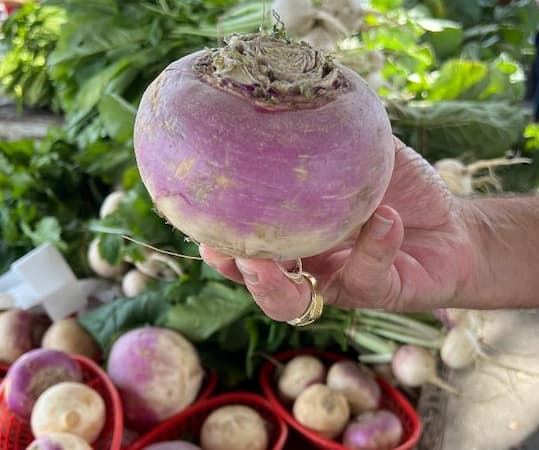
Learn How to Grow Turnips in Your Vegetable Garden
Turnips are members of the mustard family. They are not common crops in home gardens in the U.S. They are, however, quite popular in Europe, and Canada. This easy-to-grow root crop is nutritious and versatile. It tastes good raw, with dips and cooking. The leaves, called “turnip greens”, are edible in soups and salads, too. Once you’ve tasted it, we are certain you will be growing turnip plants, too. So, we hope you use this guide on “How to Grow Turnips”, buy some turnip seeds, and then grow your very first crop of turnips!
Did you know? In Ireland, Turnips were hollowed out and a small ember was put in them to ward off demons and devils. Actually, they were the first Jack O” Lanterns.
Varieties of Turnips
There are round varieties as well as long cylindrical and flat types of turnips, too.
IMPORTANT: Know the type of turnip seeds you are buying. Some Turnip varieties are grown for their roots. Other turnips are grown strictly as greens, for their edible leaves. Turnip varieties grown for leaves have woody roots.
Here are two popular varieties:
PurpleTop – Grow this turnip plant for its root. The leaves are edible, too.
Seven Top – This variety produces tasty turnip greens. Its woody roots should not be eaten.
Nutritional Value
1 cup of raw Turnips cubed contains approximately:
37 calories
8 g carbs
0 cholesterol
0.1 g fat
2.3 g fiber
1.2 g protein
90 mg sodium
Turnip Plant Specifications
Days to Harvest: 30 to 60 days, depending upon variety and growing conditions.
Sow Turnip seeds 1/2 inch deep, spreading the small seeds thinly to an inch apart in the rows. Space the rows 1 foot apart. Use double rows to conserve space in your home garden.
As a cool-weather crop, turnip seeds will sprout in cool soils. Sow seeds early in the spring and again in midsummer, for a fall crop. Although they can be grown in the summer, the plants prefer cool weather. Leave the middle of the summer for the heat-loving vegetables.
How to Grow Turnips - Season Long Care
Planting and Soil Needs
Grow this cool weather crop in the spring or Fall. The plants do not grow well in midsummer heat. Select a location where your Turnip plants will recieve full sun.
While the plants tolerate poor soils, they grow better in richer garden soils and be less likely to take on a woody texture. Work the soil and add compost and manure. Make sure to remove any large rocks and stones that may impede the growth of the root.
Turnips seeds sprout quickly, in about a week. After two weeks, thin seedlings to four to five inches apart.
Light Requirement
Plant Turnips in an area of your garden where they will receive at least six to eight hours of bright, direct sunlight. In warmer regions of the country, the plants benefit with a little shade during the hottest part of the day.
Fertilizer Needs
Turnip plants are heavy feeders. Mix in a general-purpose fertilizer into the soil at planting time. Then, apply a fertilizer high in phosphorus and potassium every three to four weeks during the growing season. These two nutrients promote root development.
Water Needs
Provide ample water, as the most common cause of woody stems, is dry soil. As with other root crops, the action is below the soil. The leaves may not tell you when the soil is dry. Our rule of thumb is “when in doubt, water”.
Other Steps
If you are growing Turnips just for leaves in salads and soups, provide plenty of fertilizer and a high nitrogen mix. If you are growing them for the roots, avoid a high nitrogen fertilizer, which will deter root development.
Turnips sprout in about a week to ten days. A couple of weeks after they have sprouted, thin seedlings to a spacing of six inches apart.
Weeds will compete for water and soil nutrients. Additionally, weeds will shade the plants while the rutabaga plants are still young. Thus, keep the area well-weeded.
Turnips are bothered by a variety of insects and pests. The insect world knows that this vegetable is tasty and nutritious. They include slugs and snails, aphids, beetles, cutworms, and root maggots. Because they grow and are harvested quickly, large infestations are not often a problem in the home gardens. By the time you spot a problem, it is time to harvest.
Plant Disease
Occasional mildews and a white blister disease can affect the crop. However, it is infrequent.
How to Grow Turnips- Harvest Time
Days to Maturity: 40-55 days.
Harvest Turnip greens for salads as soon as they reach a size large enough to eat. Four to six inches is ideal. After cutting the leaves, new leaves will grow. You can usually harvest the leaves several times.
As with most root crops, it is better to pull them while still young and tender. Begin to harvest Turnips at golf ball size. Once they reach tennis ball size, the root will become tough and woody.
Some people leave their fall crop in the ground and pick a few, as needed, well into the winter months. If the root and plants are still growing, they can become too large. We recommend pulling them, cutting off the leaves, and storing them in a cool, dry place. Many people will store them in their basement in dry soil, to help retain moisture and freshness.
Plant Hardiness
Turnips plants are cool weather crops and withstand light freezes.